Late Summer Plumbing Maintenance Checklist: 7 Simple Ways to Prevent Costly Repairs Before Fall
Late summer is the best window all year to catch plumbing problems before they become fall emergencies. Here are 7 simple maintenance tasks every Spartanburg homeowner should complete before cooler weather arrives — from flushing your water heater to testing your sump pump.

Late summer in Spartanburg, SC is the sweet spot for home maintenance. The brutal heat of July is fading, cooler fall temperatures are still weeks away, and your plumbing system has been under stress all season. High outdoor water use, vacation-related changes in your home's routine, and the heavy humidity that characterizes South Carolina summers all add wear to pipes, fixtures, and water-using appliances.
The good news: a few hours of simple inspection and maintenance right now can prevent the kind of costly emergency calls that tend to surface in October and November, when plumbers are busy and repair costs are higher. Here are seven tasks every Spartanburg homeowner should complete before fall arrives.
1. Flush and Inspect Your Water Heater
Sediment builds up at the bottom of your water heater tank all year long, especially in areas with hard water. By late summer, a full season of increased water use — extra showers, outdoor rinsing, vacation disruptions to standby cycles — has accelerated that buildup. Sediment insulates the heating element from the water, forcing the unit to run longer, consume more energy, and wear out faster.
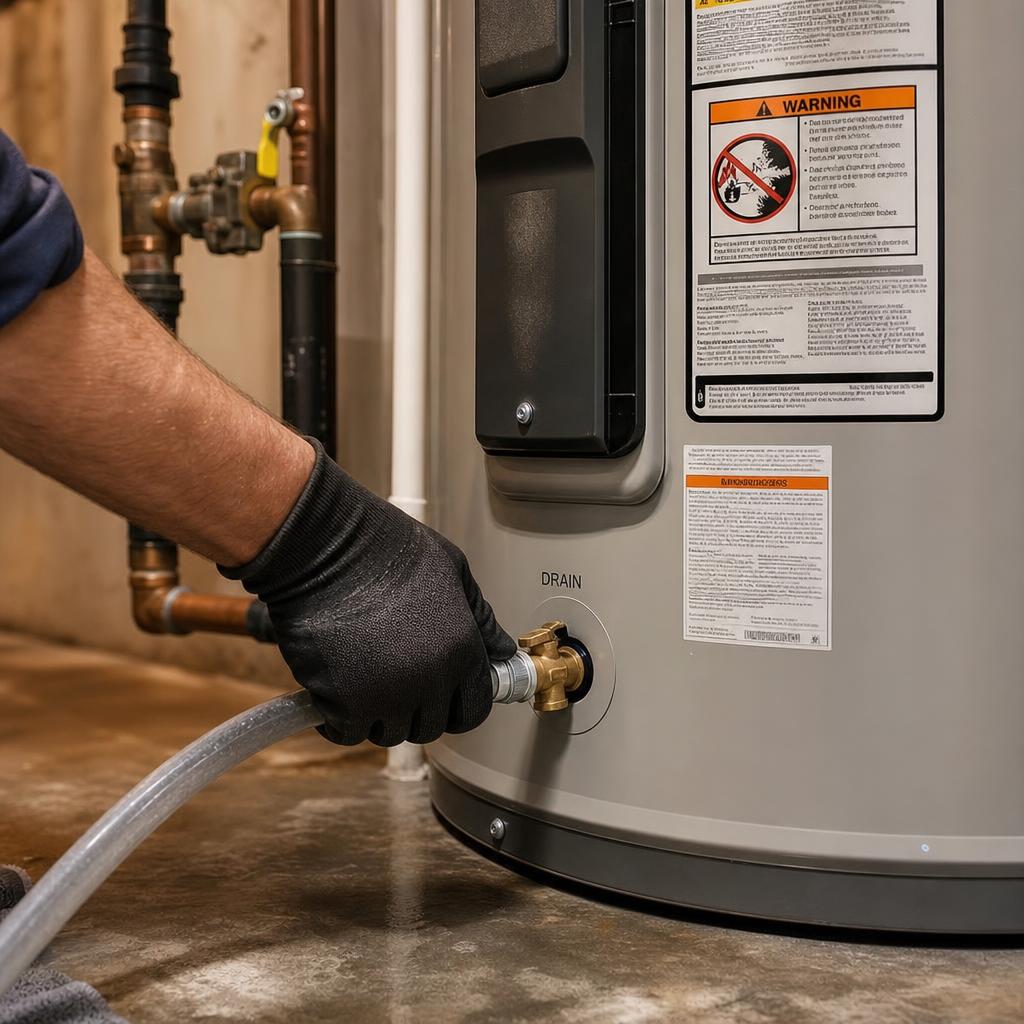
Flushing the tank takes about 30 minutes and removes that sediment layer. Attach a garden hose to the drain valve at the base of the unit, run it to a floor drain or outside, and let it flow until the water runs clear. While you have it open, inspect the pressure relief valve — it should release briefly when you lift the test lever and reseat cleanly. If it drips or sticks, it needs replacing before cold-weather demand spikes.
If you haven't flushed your water heater in more than a year, or if you notice rumbling sounds during heating cycles, our step-by-step water heater flushing guide walks you through the full process. For units older than 8–10 years showing signs of corrosion or inconsistent output, professional water heater service may be the smarter long-term call.
2. Inspect Every Visible Pipe for Slow Leaks
Small leaks that started in spring often go unnoticed all summer because higher water use masks the increase on your bill. Late summer is the right time to do a methodical walk-through. Check under every sink cabinet — kitchen, bathrooms, laundry room — and look for water stains on the cabinet floor, mineral deposits on pipe joints, or soft spots in drywall nearby.
A slow drip at a supply line or p-trap connection costs pennies to fix with a new washer or wrench-tighten. Left until winter, that same small leak can become a burst connection when temperatures drop. Our guide on how to tell if your water pipes are leaking slowly covers the less obvious signs, including unexplained water meter movement and musty odors in cabinets.
Pro tip: Write down your water meter reading before bed, avoid using any water overnight, and check the meter in the morning. If it moved, you have a hidden leak somewhere in the system.
3. Disconnect and Drain Outdoor Hose Bibs
Outdoor faucets left connected to a garden hose hold standing water in the spout and the hose itself. When Spartanburg's first cold snap arrives — often an overnight frost in late October or early November that catches homeowners off guard — that standing water freezes and can crack the faucet body or the short pipe segment behind the exterior wall.
Disconnect all garden hoses now and store them in a garage or shed. Drain any residual water by leaving the hose coiled at a slight downhill angle before storing. If your home has indoor shutoff valves for the outdoor faucets (common in homes built after 2000), close them and open the outdoor bib briefly to drain the line between the shutoff and the faucet.
Homes with older frost-free hose bibs — the long-stem design intended to keep the working parts inside the heated envelope — can still freeze if a hose is left connected and backs up water into the stem. Disconnect the hose regardless of whether your bib is frost-free.
4. Clear Slow Drains Before the Holiday Rush
Hair, grease, and soap scum accumulate in drains all summer. A drain that runs slow in late August will be completely blocked by Thanksgiving, when additional guests, extra cooking, and heavy shower use push it over the edge. Clearing a slow drain now is a 15-minute DIY job; clearing a full blockage during a holiday gathering is a plumbing emergency.
Start with a drain snake or a simple drain cleaning tool for bathroom sinks and tubs — these pull hair clogs out mechanically without chemicals that can damage older pipes. For kitchen sink drains, avoid grease buildup by running hot water for 30 seconds after washing dishes and never pouring cooking fat down the drain.
If multiple drains in your home are sluggish — or you're noticing gurgling sounds when one fixture drains — the problem is likely deeper in the main line rather than in individual fixtures. That calls for professional drain cleaning service before it becomes a full blockage. Our guide on DIY drain cleaning vs. calling a professional helps you decide which situation you're dealing with.
5. Test Your Sump Pump
Fall in the Carolinas brings the rainy season back — heavy rains from tropical systems, nor'easters pushing moisture inland, and October deluges that can overwhelm drainage quickly. If your home has a sump pump, late summer is the right time to confirm it's working before you need it.
Testing is straightforward: pour a five-gallon bucket of water slowly into the sump pit and watch for the float to rise and the pump to kick on. The water level should drop within a minute. If the pump is silent, runs continuously, or the pit refills without pumping, the float switch or pump motor needs attention. Check that the discharge line runs freely to the outside and isn't blocked by debris, a collapsed hose, or a pest nest.
A failed sump pump during a heavy fall storm is a basement flood waiting to happen. Our sump pump repair service can diagnose and replace faulty units before the rainy season arrives.
6. Inspect Washing Machine Hoses
Washing machine supply hoses are one of the most frequently overlooked plumbing components in a home, and one of the most destructive when they fail. A burst washing machine hose releases water at full pressure — typically 40–80 PSI — until someone turns off the supply or the pipe runs dry. That's hundreds of gallons per hour into your laundry room and any space below it.
Pull your washing machine slightly away from the wall and inspect both the hot and cold supply hoses. Look for bulging near the fittings (a sign the rubber is near failure), surface cracks, and any discoloration around the connection points. Rubber hoses more than five years old should be replaced proactively — braided stainless steel hoses are inexpensive and dramatically more durable. While you're back there, confirm the shutoff valves behind the machine actually turn and seat fully; seized valves are useless in an emergency.
7. Schedule a Professional Plumbing Inspection
Even thorough DIY checks have limits. A video sewer and drain inspection uses a camera run through your main sewer line to identify root intrusion, grease blockages, pipe offsets, and early corrosion that are completely invisible from above ground. Spartanburg's mature tree canopy means root intrusion is a real risk — roots follow moisture and can penetrate clay sewer lines, especially in homes built before 1980.
An annual inspection by a licensed Spartanburg plumber also catches the kind of cumulative wear that individual spot-checks miss: corroded shutoff valves that no longer close, water heater anodes that have depleted, water pressure that has crept above the 80 PSI threshold where fixtures start to wear faster. Our guide on annual plumbing inspections explains what's checked and why it matters for long-term ownership costs.
H3 Plumbing & Drains offers comprehensive sewer and drain inspections and whole-home plumbing assessments across Spartanburg, Roebuck, and surrounding communities. Catching a problem in September on your schedule costs a fraction of what an emergency call costs in November on the storm's schedule.
Act Before Fall — Plumbing Problems Don't Wait
Late summer is the best window you'll have all year: the extreme summer demand is behind you, the freeze risk is still ahead, and your plumbing system is accessible and easy to inspect. Completing this checklist takes a weekend afternoon and requires basic tools most homeowners already have. The items you can't complete yourself — or anything that reveals a deeper problem — are straightforward professional jobs that are faster and less expensive to address now than in an emergency.
H3 Plumbing & Drains has served Spartanburg and surrounding areas for over 15 years. We offer same-day service, honest upfront pricing, and a 100% satisfaction guarantee. Contact us or call (864) 308-1159 to schedule your late-summer plumbing inspection today.
H3 Plumbing & Drains — Spartanburg, SC
Licensed and insured plumbing professionals serving Spartanburg and surrounding communities for over 15 years.
Call (864) 308-1159Related Articles

Why April Showers Can Mean Plumbing Problems – And How to Prevent Them
April's rainfall brings more than just blooming flowers to Spartanburg, SC; it can bring serious plumbing problems to your home or business. When heavy spring rains saturate the ground, your plumbing system faces increas…
Read More
5 Smart Plumbing Habits to Start in the New Year (That Can Save You Thousands)
The start of a new year is the perfect time to adopt habits that protect your home and wallet. While most people focus on fitness goals or financial planning, your plumbing system deserves attention too. Small preventive…
Read More
Holiday Hosting? Avoid These Common Plumbing Emergencies Before Guests Arrive
The holidays bring joy, laughter, and plenty of guests to your Spartanburg home. Extra visitors also mean extra strain on drains, toilets, and your water heater. The last thing you want mid-gathering is a backed-up kitch…
Read More