What Actually Happens During a Video Drain Inspection?
Learn how a video drain inspection works, what plumbers look for inside sewer lines, and when a camera inspection can help Spartanburg homeowners.

When a drain repeatedly backs up or a plumbing problem is difficult to explain, finding the actual cause can be challenging. Much of a home's plumbing is hidden behind walls, beneath floors, or underground.
That is where a video drain or sewer-line inspection can help. Instead of opening walls or digging through the yard based on guesswork, a plumber can look inside the pipe and make recommendations based on what the camera reveals.
For homeowners, the main benefit is clarity. A video inspection can show whether the problem is a simple blockage, tree-root intrusion, a damaged pipe, or another condition that needs attention.
How Does a Video Plumbing Inspection Work?
A video plumbing inspection uses a small waterproof camera mounted on the end of a flexible cable. A plumber feeds the cable into an available access point while viewing live footage from inside the pipe on a monitor.
Depending on the plumbing system and the symptoms, the camera may enter through a sewer cleanout, a drain, or another suitable access point. The plumber then guides it through the line to look for the source of slow drainage, repeated backups, sewer odors, or other concerns.
Some inspection systems include locating equipment that identifies the camera's position from above ground. If the plumber discovers underground damage, this technology can help pinpoint the affected section and reduce unnecessary excavation.
What Happens During the Appointment?
A video inspection usually begins with a conversation. The plumber will ask about slow drains, backups, unusual smells, recent plumbing work, and when the problem started. These details help determine the most appropriate access point and which part of the system needs attention.
After placing the camera in the line, the plumber slowly advances it while watching the monitor. They may stop, reverse, or rotate the camera to examine an area more closely. The footage can show both the condition of the pipe and the location of a blockage or damaged section.
Once the inspection is complete, the plumber should explain the findings in plain language and discuss the most appropriate next step. Depending on what appears on screen, that might mean routine cleaning, hydro jetting, removing an obstruction, monitoring an aging line, or repairing a damaged pipe.
What Is the Camera Looking For?
The purpose of a camera inspection is to identify conditions that cannot be seen from outside the plumbing system. Common findings include:
- Grease, scale, and other buildup: Deposits can collect on pipe walls, reduce the available opening, and slow water flow.
- Foreign objects and solid obstructions: A camera can help identify what is blocking the line and where it is located.
- Cracked, separated, or collapsed pipe: Damaged sections may restrict flow, allow soil into the line, or leak wastewater underground.
- Tree-root intrusion: Roots can enter through small cracks or loose joints and continue growing inside the sewer line.
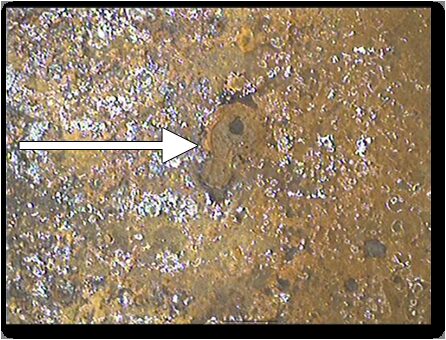
- Corrosion and aging materials: Older piping can deteriorate internally even when there is no visible problem above ground.
- Low spots or pipe bellies: A sagging section can hold water and debris, creating repeated blockages.

When Should Homeowners Consider a Video Inspection?
A camera inspection is not necessary for every plumbing service call, but it can be especially useful in several situations.
Recurring Drain Problems
If a drain keeps slowing down or backing up after repeated clearing attempts, a camera can help identify the underlying cause. Recurring problems often require more than treating the symptom at the fixture. Professional drain cleaning and repair should address what is actually happening inside the line.
Several Slow Drains or Unexplained Symptoms
One slow sink may indicate a local clog. Several slow drains, gurgling fixtures, sewer odors, or water backing up in another part of the home can point to a problem farther down the system. A camera gives the plumber a clearer view of those shared lines.
Older Homes
Older homes may have plumbing materials that have been in service for decades without an interior inspection. Video footage can provide a useful baseline, reveal deterioration, and help homeowners plan future repairs before a sudden failure occurs.
Before Buying a Home
A standard home inspection does not always show the condition of the buried sewer line. A sewer camera inspection before purchase can uncover root intrusion, damaged pipe, severe buildup, or other problems that may require expensive work later.
No inspection can predict every future plumbing issue, but seeing the inside of the sewer line gives a buyer more information about a major part of the property that would otherwise remain hidden.
The Goal Is Better Information, Not Just Finding Problems
A video inspection is not automatically a sign that a major repair is needed. In some cases, the footage confirms that the pipe is in good condition. In others, it may show that a recurring backup comes from a limited obstruction rather than a failure of the entire sewer line.
The value of the inspection is that the plumber and homeowner can make decisions based on visible evidence. That can prevent unnecessary digging, focus repairs on the correct location, and help distinguish urgent damage from an issue that can be monitored or handled with routine maintenance.
Video Drain and Sewer Inspections in Spartanburg County
H3 Plumbing & Drains provides video drain and sewer-line inspections throughout Spartanburg County. Our plumbers use camera equipment to examine hidden plumbing lines and help determine the cause of recurring backups, slow drains, sewer odors, and other unexplained problems.
Call (864) 702-3179 or request an inspection online today. Seeing what is happening inside the pipe is often the first step toward choosing the most correct solution.
Header image: FiberscopeDOTnet, Wikimedia Commons, CC BY-SA 4.0. Images were cropped and optimized for web display.

H3 Plumbing & Drains — Spartanburg, SC
Licensed and insured plumbing professionals serving Spartanburg and surrounding communities for over 15 years.
Call (864) 702-3179Related Articles

Why Your Drains Keep Clogging During Late Summer
Learn why late-summer heat, heavy rain, tree roots, and increased household use can cause recurring drain clogs in Spartanburg County homes.
Read More
How Summer Storms Can Affect Your Sewer Line
Learn how summer storms, shifting clay soil, and tree roots can damage sewer lines in Spartanburg and the warning signs homeowners should watch for.
Read More
DIY Drain Cleaning Tips & When to Call a Professional
If your bathroom sink is draining slower than usual or your shower starts pooling water around your feet, you're likely dealing with a drain clog. While it might be tempting to pour chemical cleaners down the pipe and ho…
Read More